Quantity Inspection
Independent determination and certification of quantity, volume, mass, and unit counts during transportation, warehousing, and cargo handling operations.
Independent Quantity Inspection
Security & Precision in Measurement, Inbound & Outbound Cargo Handling
Cargo quantity is a key parameter in every commercial transaction. Errors or discrepancies in weight, volume, unit counts, or reported quantities can lead to financial losses, claims, delays, or disputes between the parties.
Total Cargo Inspection provides independent quantity inspection for bulk, liquid, and general cargo throughout warehousing, transit, and handling operations. This service ensures objective and traceable data regarding actual quantities at any critical stage of the logistics process.

What the Service Includes
Scope of Quantity Inspection
Draft Survey of Vessels
Determination of cargo quantity on river and sea vessels through draft measurements, calculations, and comparison with applicable vessel data.
Ullage Survey & BQS
Determining liquid cargo and bunker fuel quantities through tank gauging, temperature and density measurement, volumetric calculations, and cross-referencing with cargo and vessel data.
Determination of Volume & Mass
Establishing the volume and mass of bulk, liquid, packaged, or general cargo based on cargo type and specific transit or storage conditions.
Certified & Calibrated Measurement Equipment
Measurements using flow meters, electronic scales, weighbridge systems, and other technical means applicable to the specific cargo.
Volumetric Quantity Inspection
Determining quantitative parameters using volumetric methods based on linear dimensions, geometric volume, density, and relevant storage facility measurements.
Counting & Marking Inspection
Inspection of markings, labelling, counting, and identification of cargo units, packages, batches, or consignments.

Practical Application
When Quantity Inspection Is Needed
Quantity inspection is particularly applicable when:
How the process works
Stages of Execution
Request & Scope Clarification
The client provides details regarding the cargo, location, transport vehicle, expected quantities, and specific instructions.
Measurement Preparation
The team defines the applicable quantity inspection method, required documents, access to the cargo, and measurement conditions.
On-Site Verification & Measurement
Measurements, counting, tallying operations, draft surveys, ullage surveys, weighbridge inspection, or volumetric calculations are carried out depending on the type of cargo.
Comparison & Calculations
Data is processed and cross-referenced with bills of lading, contracts, commercial invoices, warehouse records, or other provided sources.
Issuance of Final Documents
The client receives a formal report, protocol, or certificate reflecting the verified quantities, the measurement methodology, and inspection results.
Evidential Value
Certificates & Reports That Support Commercial Settlements
The results of quantity inspection are documented in protocols, reports, and certificates that formally certify the established quantity at the time of inspection.
These documents serve as essential evidence for commercial settlements, cargo handover and acceptance, claims resolution, arbitration measurements, banking audits, insurance claims, and inspections by customs, investigative, or judicial authorities.
Key partners
Our Clients & Industry Applications
Client Benefits
The Added Value for Your Business
Precision-Verified Quantities
You receive independent data regarding the actual quantity, mass, volume, or unit counts of your cargo.
Mitigated Financial Loss Risk
You minimize the risk of costly disputes, shortages, excess quantities, acceptance errors, or inaccurate settlements.
Measurement Traceability
You gain fully documented data regarding the methodology, conditions, and results of the quantitative verification.
Secure Commercial Decisions
You make decisions based on verified data, rather than relying solely on transport documents or data provided by third parties.
Related sectors
Commodity Groups Where the Service Applies

Coal, Coke, Pellets & Biomass
Quantity inspection of energy and industrial raw materials during storage, cargo handling, and transit operations via draft surveys, volumetric measurements, and inventory audits.

Agricultural Commodities & Feed
Quantity measurements of bulk and packaged agricultural cargo during maritime, river, rail, and road transit, as well as during storage in silos, warehousing facilities, and open storage areas.
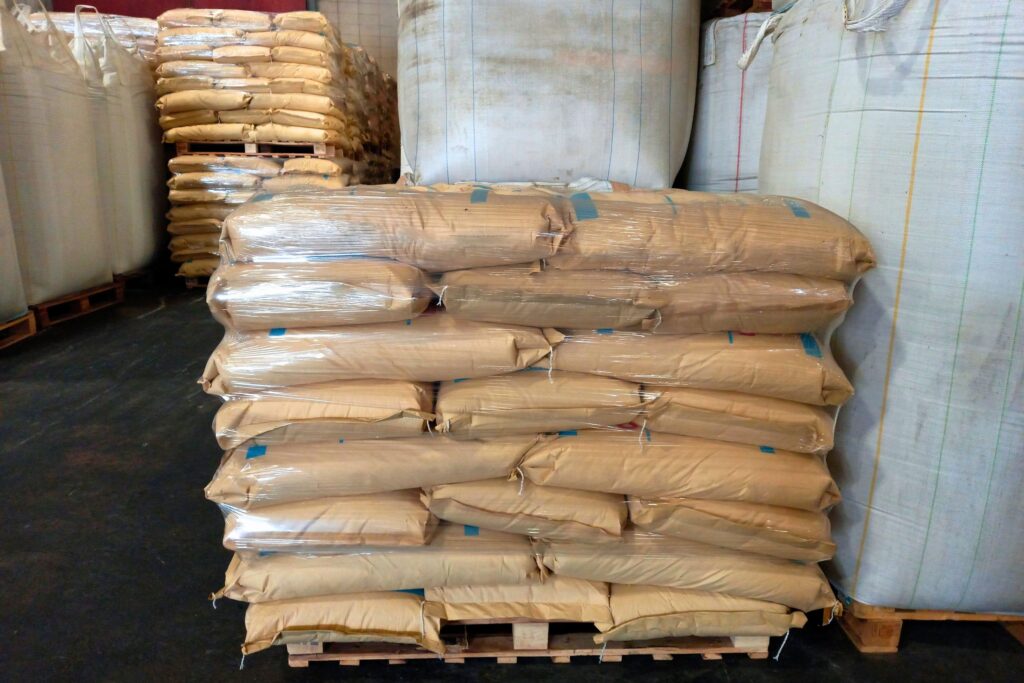
Mineral Fertilizers & Soil Conditioners
Determination of weight and quantity through draft surveys, weighbridge inspection, or volumetric methods, alongside cargo verification against bills of lading, contracts, and commercial invoices.

Oil & Petroleum Products
Quantity inspection of liquid cargoes through ullage surveys, draft surveys, and measurements of levels, temperature, density, and volumes, with calculations performed according to international standards.
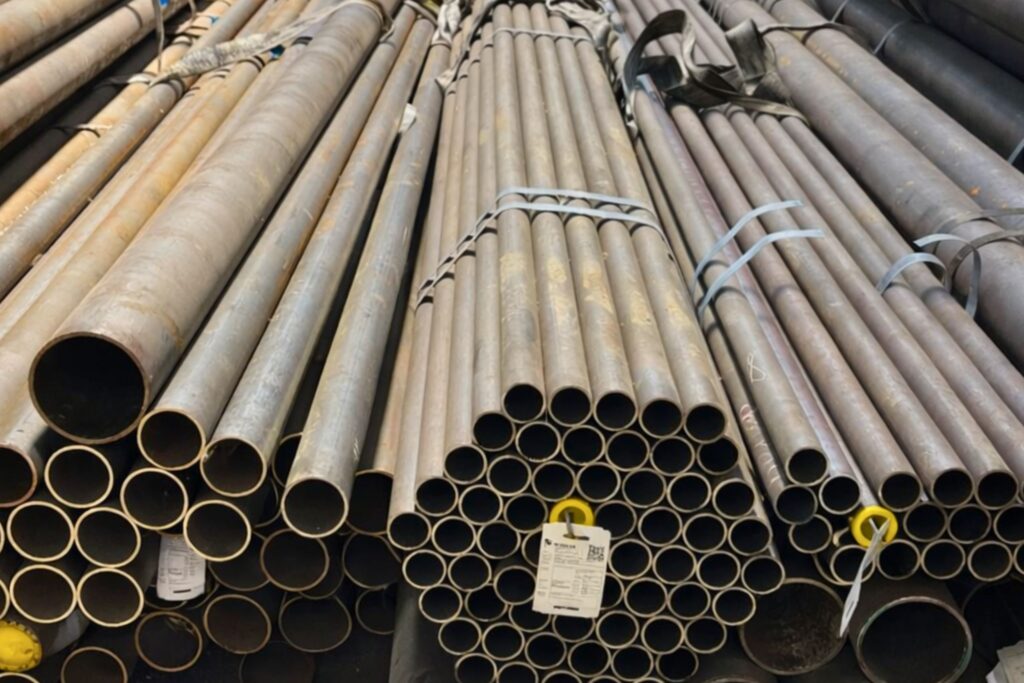
Metals, Alloys, Ores & Concentrates
Determination of quantities through tallying operations, volumetric calculations, batch verification, and strict inspection of scrap metal, ores, and concentrates.

Industrial Goods
Inspection of quantities, packaging, markings, and cargo units during inbound handling, storage, final dispatch, and handling operations.

Food & Consumer Goods
Quantity inspection of food and consumer cargo during inbound logistics, storage, transit, and custody transfer, with complete documentation of quantities, condition, and any discrepancies.

Fibrous & Textile Raw Materials, Textile Goods, Leather & Leather Goods
Quantity inspection through bale counting, measurement of actual and conditioned weight, markings verification, and batch identity inspection.

Wood, Glass & Plastics
Verification of quantity, volume, weight, and unit counts during storage, loading, discharging, and transit of timber, glass, and plastics.
Service Inquiry
Need Independent Quantity Inspection?
Send us brief information about the goods, their location, the transport unit, and the required scope of measurement. Our team will contact you to clarify the inspection method, required documents, and next steps.
Email Us
survey@tci.bg
Address
Ruse, 1 Alexandrovska St., Entrance B, Floor 4
Call Us
+359 700 900 72