Agricultural Commodities & Feed
Independent inspection of cereals, pulses, oilseeds, and feed throughout storage, transit, cargo handling, and delivery acceptance.
Sectoral Inspection
Inspection Tailored to the Specifics of Agricultural Cargo
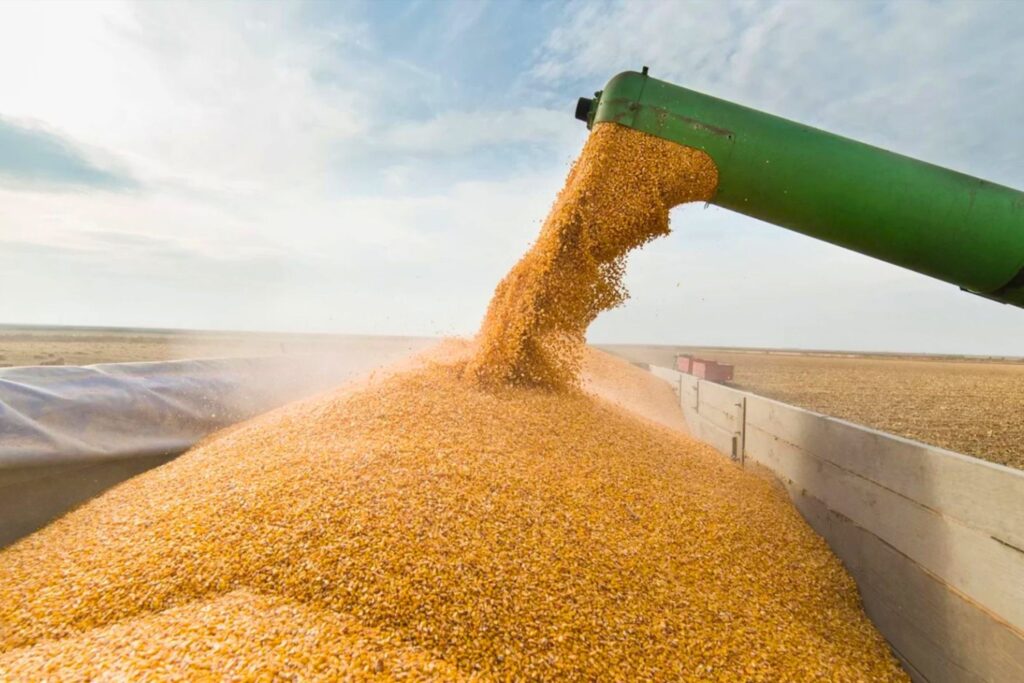
Trade in agricultural commodities and feed is governed by strict parameters regarding quantity, quality, physical condition, and traceability. Cereals, pulses, oilseeds, and feed are highly vulnerable to moisture ingress, impurities, infestation, self-heating, cargo mixing, and degradation during storage or transit.
Total Cargo Inspection provides independent inspection of agricultural commodities and feed throughout every critical stage of the supply chain. Our services encompass the cleanliness inspection of cargo holds and spaces, technical quantitative measurements, representative sampling, organoleptic assessment, on-site express testing, extensive laboratory analysis, and the formal certification of results.
What the Inspection Includes
Scope of Inspection for Agricultural Commodities & Feed
Cleanliness Inspection of Cargo Spaces
Inspection of vessel holds, barges, trucks, containers, silos, and storage facilities for cleanliness, moisture, residues, odours, and contamination risks.
Quantity Inspection
Determination of quantities through draft surveys, electronic weighing, volumetric measurements, tallying of packaged goods, and inventory audits.
Quality & Condition Inspection
Assessment of condition, appearance, odour, colour, homogeneity, presence of impurities, infestation, or other deviations from contractual specifications.
On-Site Express Testing
Rapid testing of moisture content, impurities, density, hectolitre weight, temperature, and other parameters during acceptance, dispatch, or suspected quality degradation.
Representative Sampling
Collection of representative samples in strict accordance with standardized methodologies for subsequent organoleptic analysis, expert assessment, or laboratory testing.
Accredited Laboratory Testing
Determination of physical, chemical, and quality parameters, including moisture, protein, oil content, impurities, test weight (hectoliter mass), gluten content, mycotoxins, pesticide residues, heavy metals, and other parameters related to the quality, safety, and compliance of agricultural commodities.
Formal Certification of Results
Preparation of reports, protocols, certificates, and photographic evidence certifying the verified quantity, quality, and condition of the cargo.
Practical Application
When Inspection Is Needed in This Sector
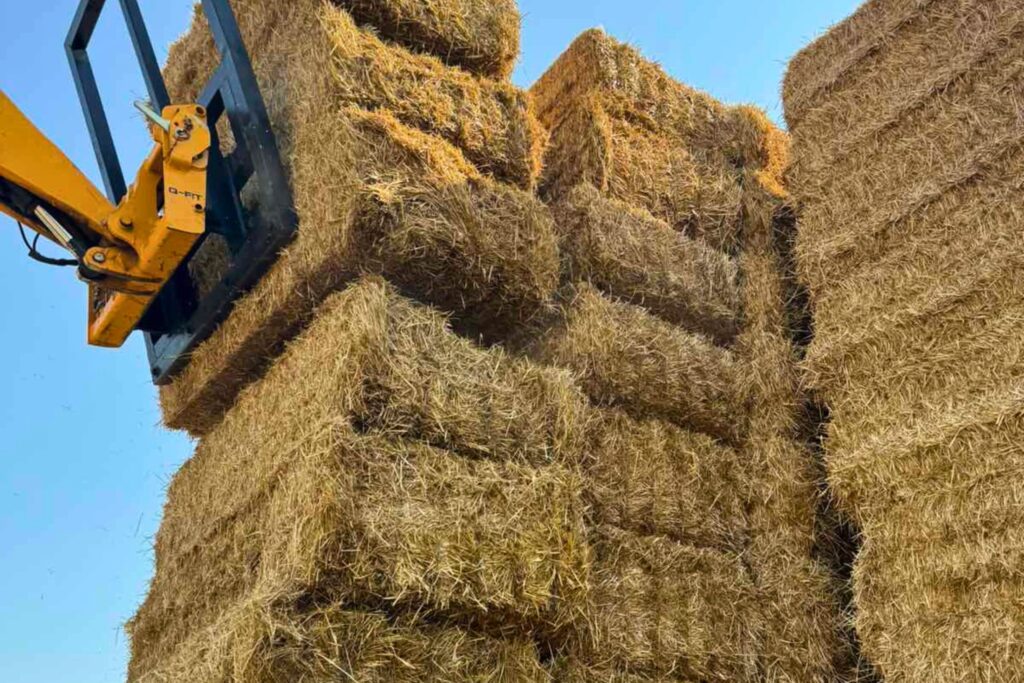
Inspection of agricultural commodities and feed is particularly applicable when:
Sector Risks
Main Risks in Agricultural Commodities & Feed
Increased Moisture & Condensation
Risk of quality degradation, self-heating, caking, or the development of microbiological activity during storage and transit.
Live or Dead Pests (Infestation)
Presence of infestation that can lead to cargo rejection, commercial claims, or mandatory fumigation measures.
Impurities & Foreign Matter
Dust, foreign materials, or cargo mixing with other consignments that directly reduce quality and commercial value.
Self-Heating & Temperature Deviations
Thermal anomalies that indicate cargo degradation, biological heating, or increased risk during storage.
Quantity Discrepancies
Shortages or weight discrepancies between contracted, loaded, transported, and discharged quantities.
Unsuitable Cargo Spaces
Contaminated, damp, or unprepared cargo holds and spaces that compromise the shipment prior to loading.
Variations in Organoleptic Properties
Deviations in appearance, odour, colour, homogeneity, or other visible indicators of cargo condition.
Documentary Non-Conformity
Discrepancies between the actual condition of the cargo, accompanying shipping documents, and contractual specifications.
Related Services
Services Applicable to This Sector

Cargo Inspection
Independent verification of the quantity, quality, condition, and conformity of agricultural commodities and feed during transit throughout the supply chain.

Quality Inspection
Assessment of quality parameters, organoleptic characteristics, impurities, condition, and conformity with contractual specifications.

Quantity Inspection
Determination of quantities through draft surveys, electronic weighing, volumetric measurements, tallying, and inventory audits.

Cleanliness & Suitability Survey of Cargo Spaces
Verification of cleanliness, suitability, structural integrity, previous residues, odours, and contamination risks prior to loading.

Stevedoring Supervision & Cargo Securing
Supervision of loading, discharging, lashing, and securing of agricultural commodities and feed to actively prevent cargo losses, mixing, or damage.

Laboratory Testing
Coordination of independent laboratory testing for moisture content, ash content, proteins, fats, crude fibres, impurities, and purity parameters.

Emergency Inspections
Independent assessment in cases of moisture ingress, self-heating, contamination, shortages, damage, or quality degradation within consignments.

Commodity & Economic Valuations & Expert Assessments
Assessment of quantities, shortages, natural weight losses, residual value, inventory audits, and commercial suitability.
Evidential Value
Survey Reports That Support Commercial & Logistics Decisions
The results of agricultural cargo and feed inspection are documented through formal reports, protocols, certificates, photographic evidence, and independent expert opinions. They formally reflect the verified quantity, quality, physical condition, and conformity at a specific point in time.
These documents serve as essential evidence for cargo handover and acceptance, commercial settlements, claims handling, banking audits, insurance claims, inventory audits, expert valuations, or dispute resolution between the parties.
Service Inquiry
Need Independent Inspection of Agricultural Commodities & Feed?
Send us brief details regarding your cargo, location, stage within the supply chain, and the required scope of inspection. Our expert team will contact you immediately to outline the appropriate survey methodologies, inspection options, and next logistical steps.
Email Us
survey@tci.bg
Address
Ruse, 1 Alexandrovska St., Entrance B, Floor 4
Call Us
+359 700 900 72