Cleanliness & Suitability Survey of Cargo Spaces
Independent verification of the cleanliness, structural condition, and suitability of vessel holds and cargo spaces prior to cargo acceptance, loading, or warehousing operations.
Cargo Suitability
Verification of the Cargo Environment Prior to Loading
The condition of the cargo space has a direct impact on the quality, safety, and commercial value of the cargo. Even minimal residues from previous cargoes, moisture, odours, contamination, or structural deficiencies can compromise the shipment and lead to claims, delays, or financial losses.
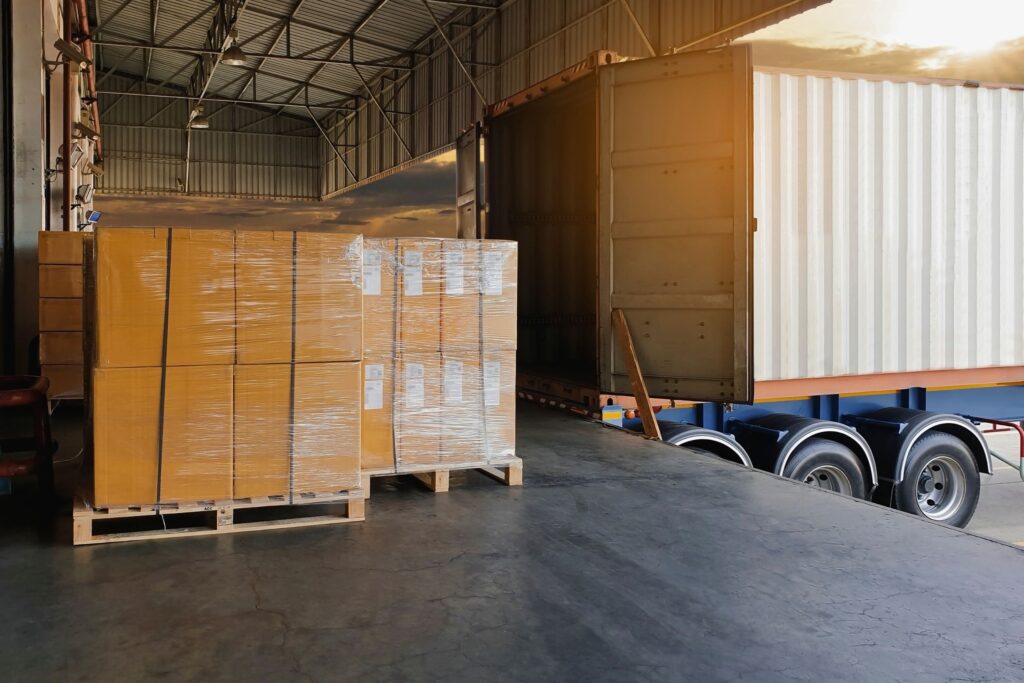
Total Cargo Inspection provides independent cleanliness and suitability surveys of cargo spaces prior to cargo acceptance. This service encompasses visual inspection, risk assessment, condition verification, and complete documentation of the established facts to formally confirm whether the space is suitable for the specific cargo.
What the Service Includes
Scope of the Cleanliness & Suitability Survey
Visual Inspection
Inspection of the cargo space for visible contamination, residues from previous cargoes, dust, odours, biological contaminants, or inert materials.
Moisture & Condensation Check
Identification of condensation, free water, dampness, or conditions that may affect the quality and condition of the cargo.
Structural Condition Assessment
Inspection of floors, walls, bulkheads, hatch covers, seals, and structural elements for deficiencies, corrosion, deformation, or compromised integrity.
Previous Cargo Residue Check
Identification of incompatible, aggressive, or contaminating residues that may compromise the subsequent cargo.
Suitability Assessment
Evaluation of whether the space meets the specific requirements to accept the intended cargo, considering its type and sensitivity.
Formal Certification of Results
Issuance of inspection findings, photographic evidence, protocols, or survey reports certifying the actual condition at the time of inspection.
Practical Application
When This Survey Is Needed
A cleanliness and suitability survey is particularly applicable when:
How the process works
Stages of Execution
Request & Cargo Clarification
The client provides information about the type of cargo, location, cargo space, schedule, and specific requirements.
Inspection Preparation
The team clarifies cleanliness and suitability criteria, required documents, site access logistics, and the specific characteristics of the intended cargo.
On-Site Cargo Space Inspection
A thorough inspection is carried out to verify cleanliness, moisture levels, residues from previous cargoes, odours, structural condition, hatch covers, seals, and drainage systems.
Risk & Suitability Assessment
The established condition is assessed against the cargo requirements, evaluating the risk of contamination, moisture ingress, damage, or quality compromise.
Issuance of Final Documents
The client receives a formal protocol or survey report reflecting the factual condition of the cargo space and an independent expert conclusion regarding its suitability.
Evidential Value
Survey Reports That Prevent Disputes & Delays
The results of the survey are documented through a formal report, protocol, photographic evidence, or technical findings that certify the exact condition of the cargo space prior to cargo acceptance.
These documents serve as essential evidence in the event of loading disputes, cargo refusal, claims handling, insurance cases, commercial conflicts, or to definitively prove the proper preparation of the cargo space.
Key partners
Our Clients & Industry Applications
Client Benefits
The Added Value for Your Business
Mitigated Contamination Risk
You receive independent verification that actively prevents cargo compromise caused by residues, odours, moisture, or incompatible materials.
Certified Loading Environment
You gain official confirmation that the cargo space is suitable for your specific cargo prior to the commencement of operations.
Prevention of Delays & Disputes
Timely inspection minimizes the risk of loading refusal, unexpected cleaning requirements, costly demurrage penalties, or subsequent claims.
Objective Survey Documentation
You receive a formal report or protocol certifying the exact condition of the cargo space at a specific point in time.
Related sectors
Commodity Groups Where the Service Applies

Agricultural Commodities & Feed
Inspection of cargo spaces for previous residues, moisture levels, odours, infestation, or other factors that may affect the quality of cereals, pulses, oilseeds, and feed.

Food & Consumer Goods
Inspection of spaces and transport units with a strict focus on cleanliness, odours, moisture, temperature compliance, and contamination risks for sensitive food and consumer cargo.
Mineral Fertilizers & Soil Conditioners
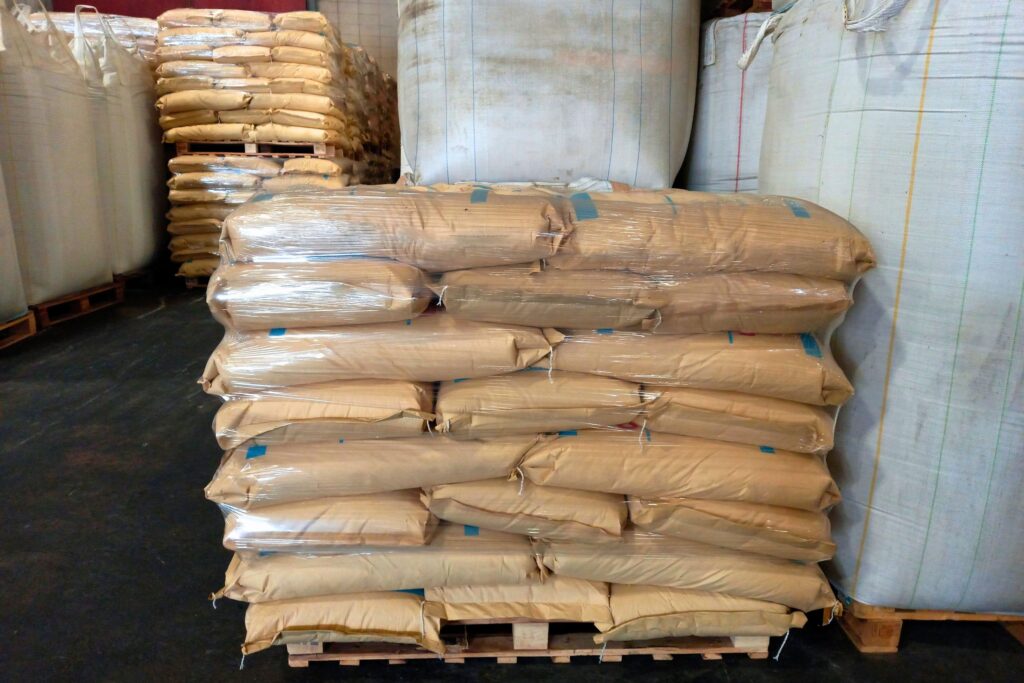
Inspection of vessel holds, warehouses, transport vehicles, and cargo spaces for moisture ingress, residues, incompatible materials, or contamination risks.
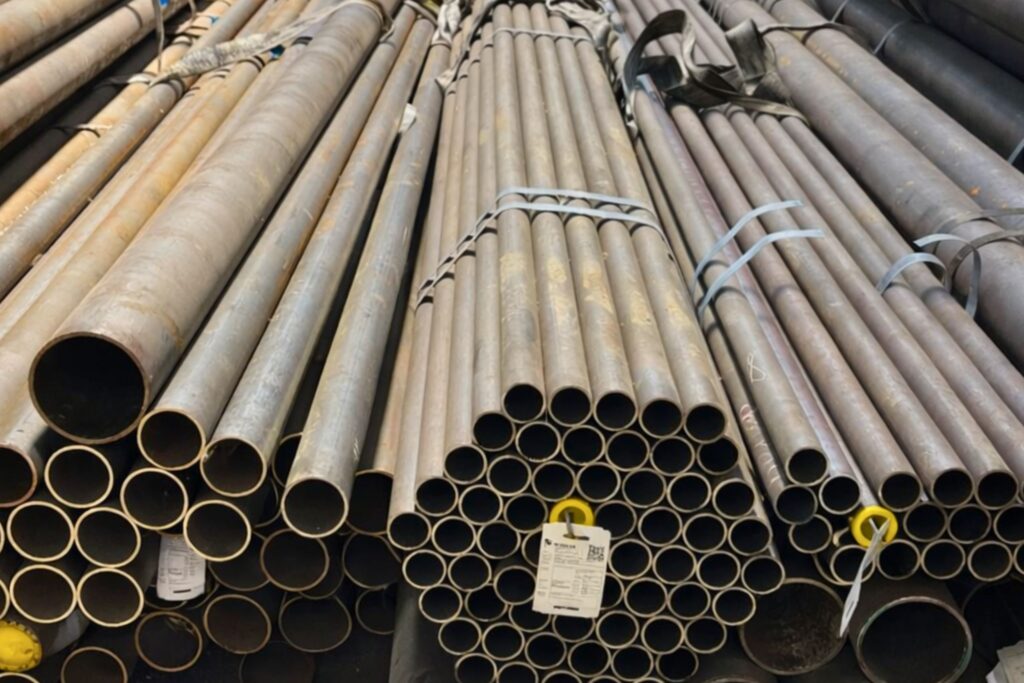
Metals, Alloys, Ores & Concentrates
Assessment of cargo space suitability to prevent moisture ingress, corrosion risks, contamination, cargo mixing, or damage to metal and mineral shipments.

Coal, Coke, Pellets & Biomass
Inspection of cargo spaces for bulk energy and industrial raw materials, focusing on previous residues, moisture control, operational safety, and the risk of batch mixing.
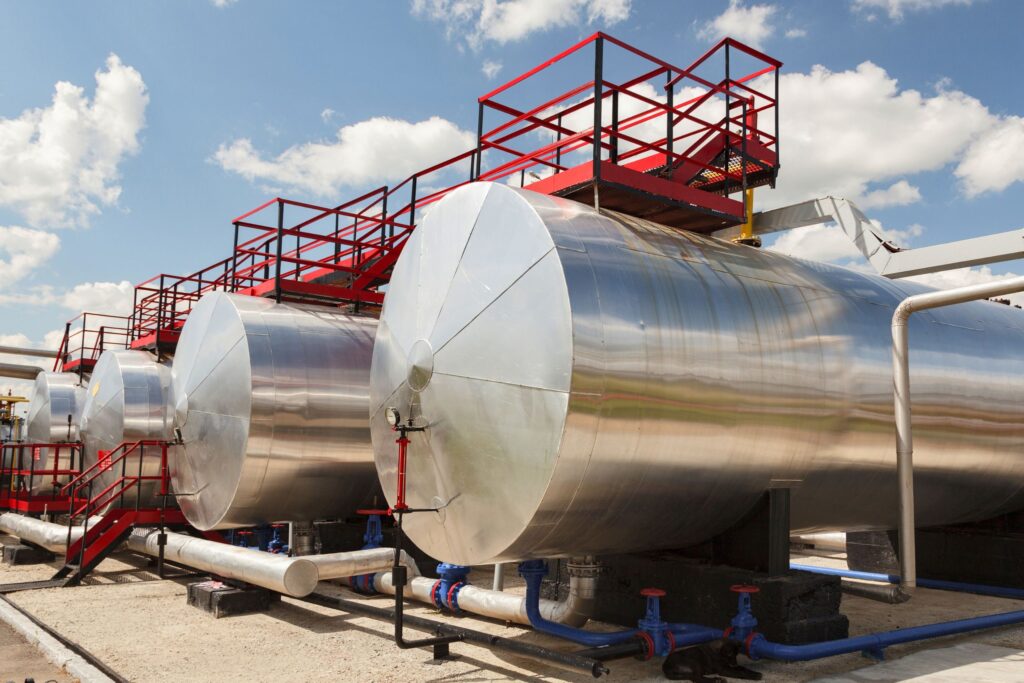
Oil & Petroleum Products
Inspection of shore tanks, tankers, and transport units for suitability, cleanliness, residues, contamination, and specific conditions for accepting liquid bulk cargoes.

Industrial Goods
Inspection of warehouses, containers, and transport units for cleanliness, dryness, structural integrity, and suitability for the storage or transit of industrial cargo.

Fibrous & Textile Raw Materials, Textile Goods, Leather & Leather Goods
Inspection for moisture ingress, odours, dust, contamination, and environmental conditions that may affect cargo sensitive to the storage atmosphere.
Service Inquiry
Do You Need a Cleanliness & Suitability Inspection?
Send us a brief description of the cargo, cargo space, location, and planned operation. Our team will contact you to clarify the scope, schedule, and necessary actions.
Email Us
survey@tci.bg
Address
Ruse, 1 Alexandrovska St., Entrance B, Floor 4
Call Us
+359 700 900 72